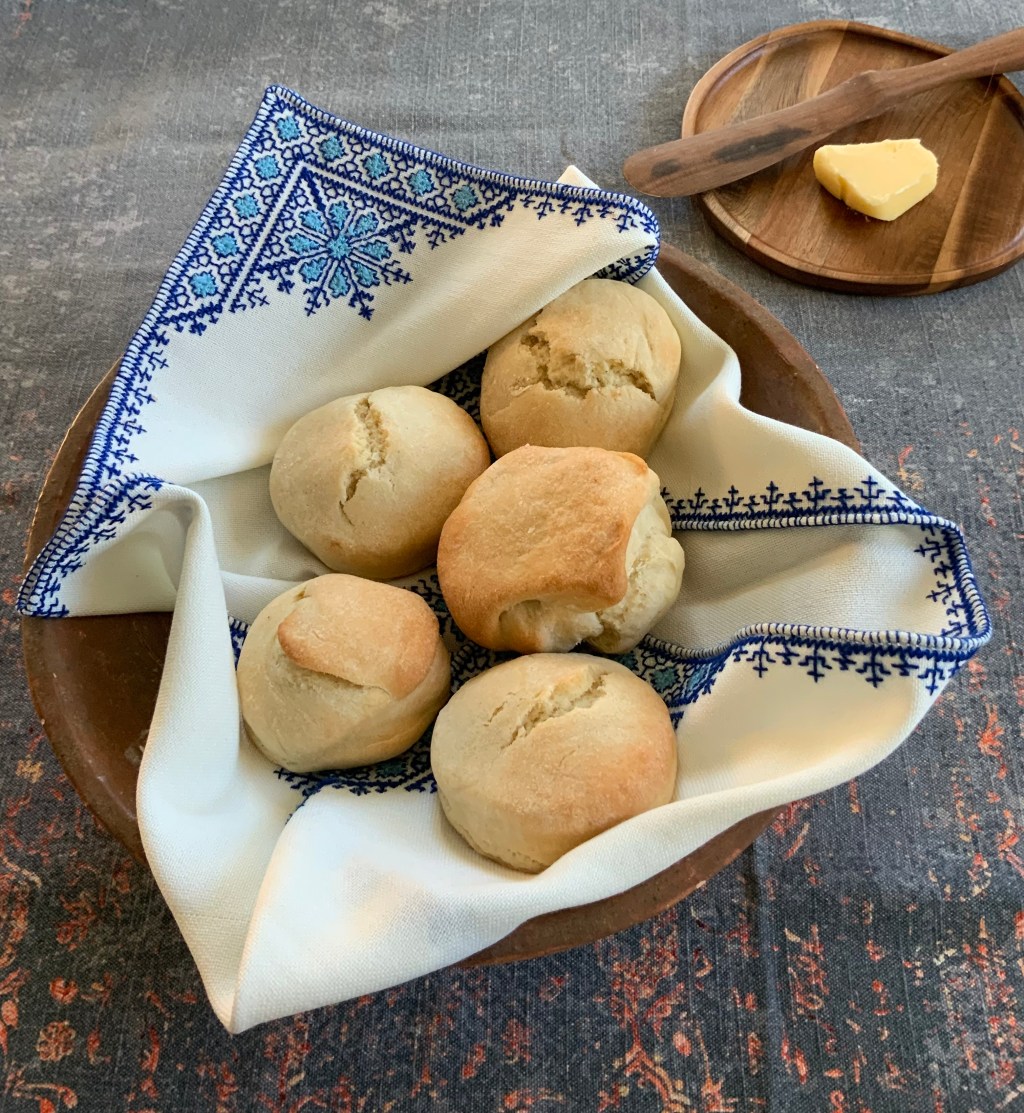
In a culinary sense of the term, the angel biscuit is an heirloom. It is a traditional variety of homemade bread from the American South that predates commercial bread production. As such, there is no single standardized recipe for it. Households have their own ways of making them and stand by theirs as authentic…and of course, all of them are authentic according to the weighty claims of long-standing family tradition and custom.
The biscuit is also a hybrid by virtue of the fact that it is neither wholly a yeast bread nor a biscuit, but a bit of both.
This version of the angel biscuit is well-suited to celebratory dinners on two counts. The dough may be made a day or two in advance, rolled out and cut at a convenient time on the day of the feast and quickly baked right before family and guests sit down at the table—after the many other demands on oven space have been met. Furthermore, they are soft and light within like a yeast bread, crisp like a quick bread without, and altogether fitting for a special occasion.
The less processed ingredients are described through these links: Flour, Butter, Milk, Buttermilk Substitute, Apple Cider Vinegar, Honey, Salt, Water.
Equipment
- a Small Bowl or Custard Cup for proofing the yeast
- a Mixing Bowl in which to make the dough
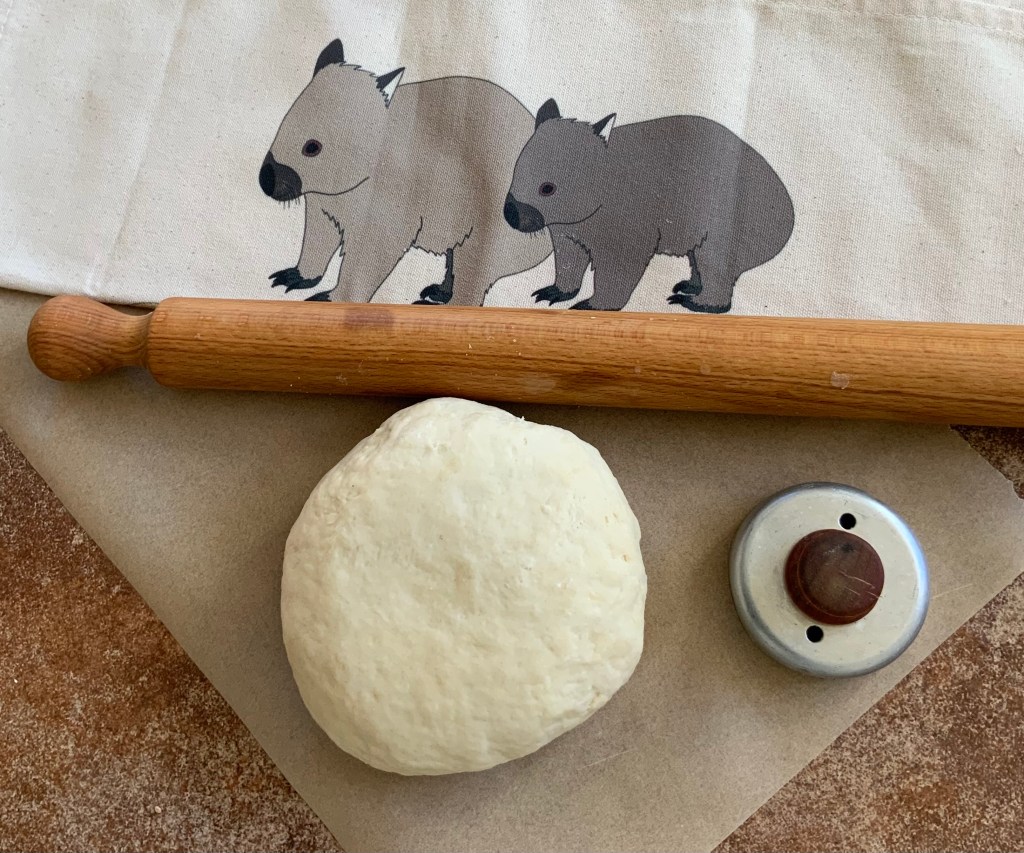
- a Pastry Board and Rolling Pin
- a Parchment-lined Baking Sheet
- a Pastry Brush: If you lack one, use your fingers for brushing a little melted butter over the biscuits before and once halfway through baking.
Ingredients
- 2 and 1/2 Cups (320 g) of European All-Purpose Soft Wheat Flour: Historically, soft wheat flour was the variety grown in the American South. Today a regional flour brand milled from 100% soft red winter wheat is available–primarily in the South. It is, however, enriched, and therefore, not a less processed option. Organic White All-Purpose Hard Wheat Flour may be substituted and will make a biscuit of a slightly different texture but–still–a good Angel Biscuit.
- 1 and 1/8 teaspoon (7 g) of SAF Instant Yeast
- about 1/4 teaspoon of Organic Unfiltered Honey
- 1/4 cup of Bottled Spring Water
- 1 and 1/2 teaspoons of Baking Powder
- 1/2 teaspoon of Baking Soda
- 1/4 teaspoon of Sea Salt
- 6 Tablespoon of European-Style Unsalted Butter
- 1 Cup of Buttermilk Substitute: Combine 1 cup (240 ml) of Whole Milk with 1 teaspoon of Organic Raw Unfiltered Apple Cider Vinegar and let the mixture stand for a bit to thicken. It may not be necessary to use the entire amount. The type of flour, weather and room temperature all influence how much liquid is needed. Generally, soft wheat flour will require less than hard wheat.
- 2 Tablespoons of Salted Butter, melted
Mixing the Dough
Note about measuring the flour: Measure the flour by pouring it into the measuring cup and leveling it off with a straight-edged spatula or knife.
- Make the buttermilk substitute if you have not already done so, mixing 1 teaspoon of organic raw unfiltered apple cider vinegar into 1 cup (240 ml) of whole milk. Set it aside to thicken as you make the dough.
- In a small bowl or custard cup, mix the yeast with the honey and 1/4 cup of water and set it aside to proof. The surface will become light and foamy.
- In the mixing bowl, combine the flour, baking powder, baking soda and salt.
- Cut the butter in pieces as you add it to the dry ingredients–then rub the butter into the flour mixture with you hands until you feel only very fine bits of butter in the texture of the mix.
- Pour in the proofed yeast.
- Continue mixing by hand and add the buttermilk substitute in increments. This will give the flour time to absorb the liquid and there is less likelihood of adding too much and then compensating with more flour. European Soft Wheat Flour absorbs less liquid. According to the weather and the feel of the dough, only one half to three-quarters of the liquid might be needed to form the dough. Hard Wheat Flour may require the full amount. The texture of the dough will be stretchy as well as sticky.
- Turn the dough out onto a lightly floured board and knead for a short while until the dough is smooth. The dough will feel damp to the touch.
Making the Biscuits
- If making the dough a day ahead, wrap it tightly in plastic wrap and refrigerate it until the next day. Take the dough from the refrigerator about an hour before baking and give it 30 minutes to soften a little before rolling it out. Otherwise, if the dough is not being made ahead, chill it, wrapped tightly in plastic wrap for at least one hour before rolling it out and cutting biscuits.
- On a lightly floured board, roll out the dough to a thickness of about 1/2-inch (1.27 cm). Cut biscuits and transfer them to the parchment-lined baking sheet. Reshape the dough as needed to form biscuits with all of it.
- Set the 2 Tablespoons of melted salted butter nearby.
Baking the Biscuits
Note about timing: If the oven is being used for a number of different dishes, the unbaked biscuits may sit at room temperature until the oven is free so long as they remain slightly chilled to the touch. If the dough softens too much, refrigerate the biscuits briefly until the oven is free to bake them.
Gas or Convection Oven: thefoodlessprocessed uses a gas oven. The conversions from Fahrenheit to Celsius do not attempt to adjust for differences between baking in a gas or convection oven. I have no experience using a convection oven, and leave adjustments to the better judgement of you who do have.
- Preheat the oven to 400 F/200 C.
- Brush the tops of the biscuits with the melted butter, using a brush or your fingertips.
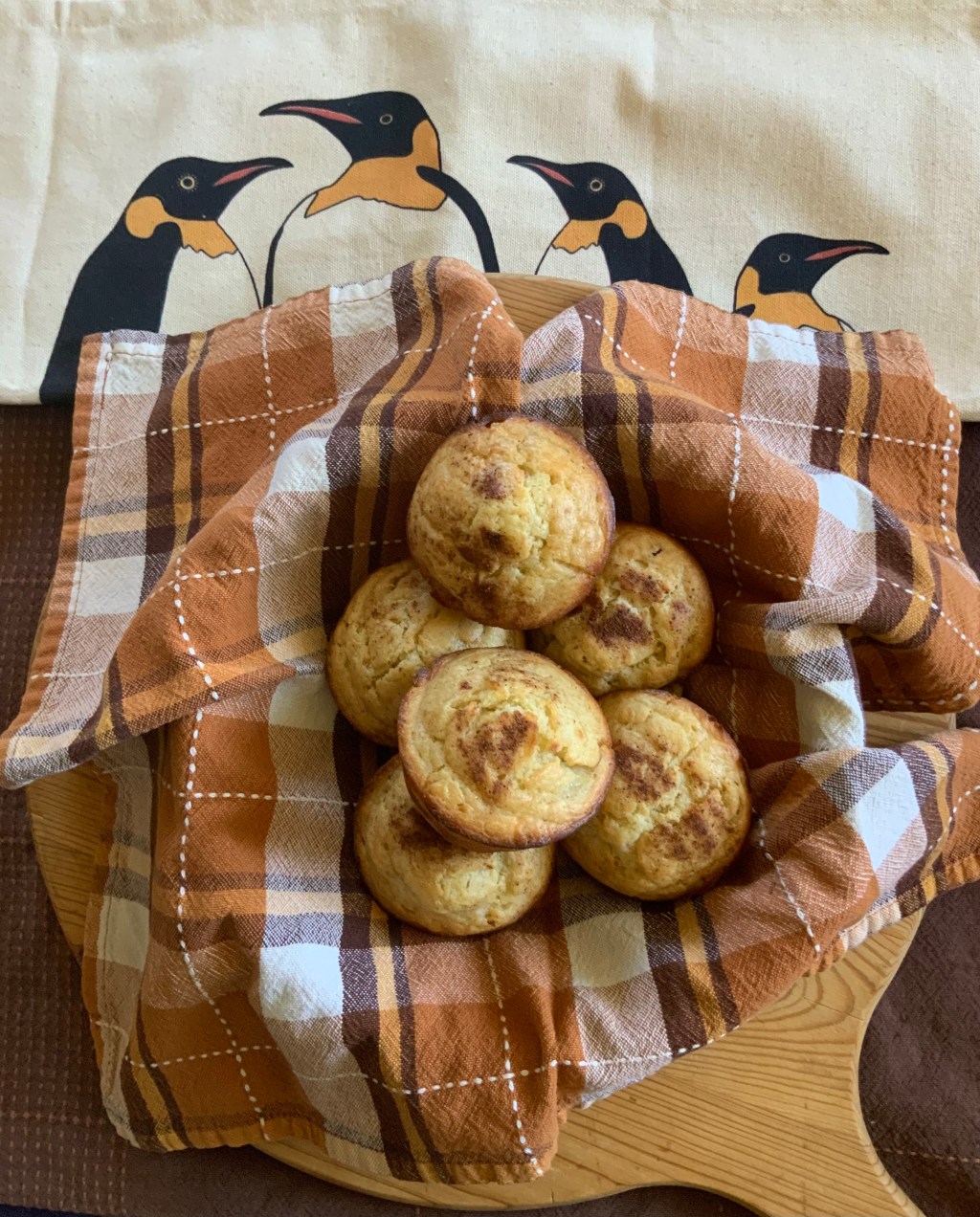
- Bake the biscuits on the middle rack of the oven. Midway through baking (after 6 or 7 minutes) brush them again with butter. The total baking time will be about 15 minutes. The tops and bottoms of the biscuits will be lightly browned.



Leave a comment